Why Kerala became the home of Ayurveda
Forest, climate, old texts, and a people who valued living well: the reasons Ayurveda took such deep root on this coast.
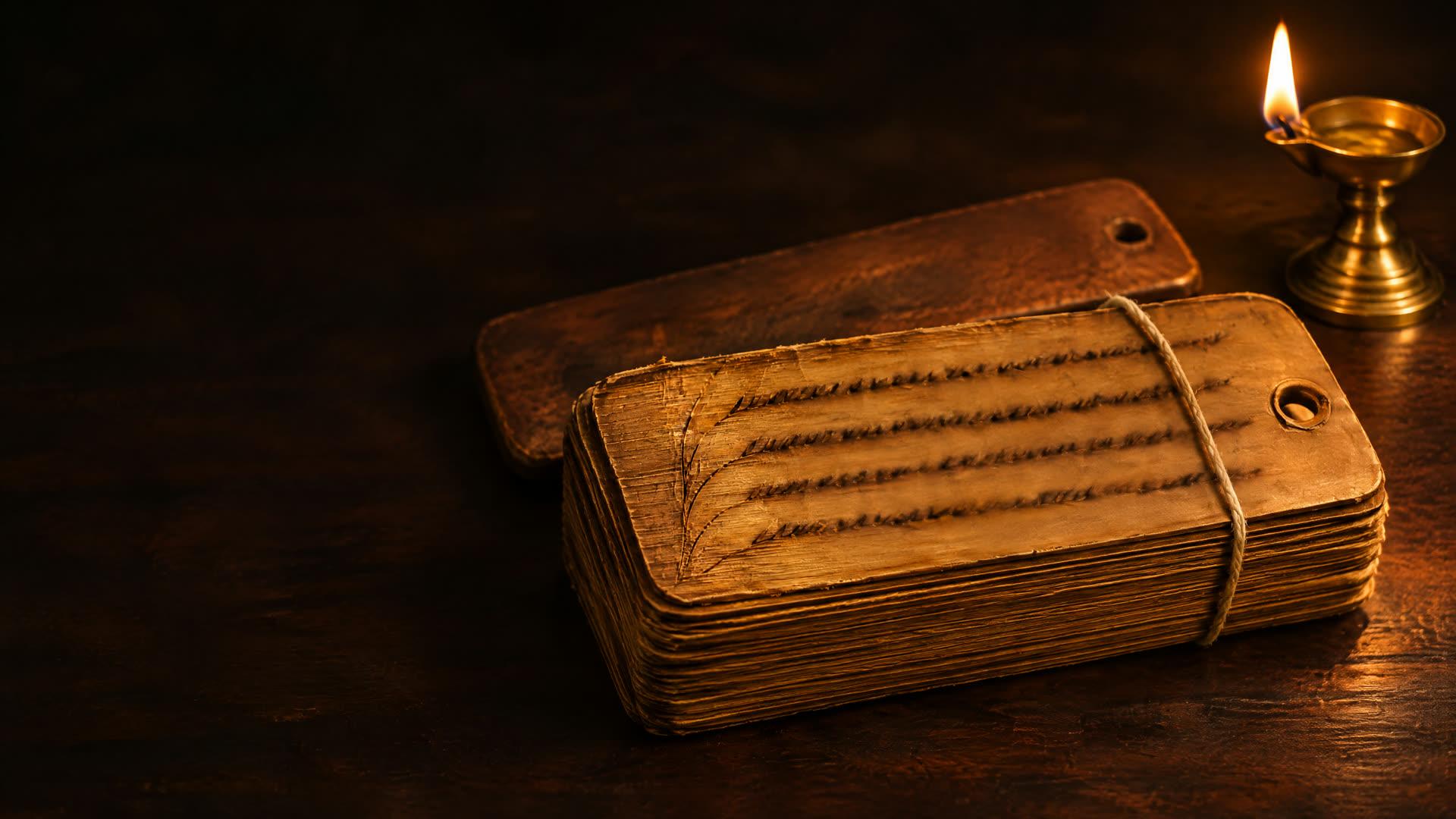
The classical authors of Ayurveda, Charaka, Sushruta and Vagbhata, set down its methods and ideas long ago, and their teaching came down on palm-leaf manuscripts. What they wrote is still read, and much of it is still in use.
Ayurveda grew up across India. But one region became its centre, and the reasons are worth knowing.
A landscape of medicine
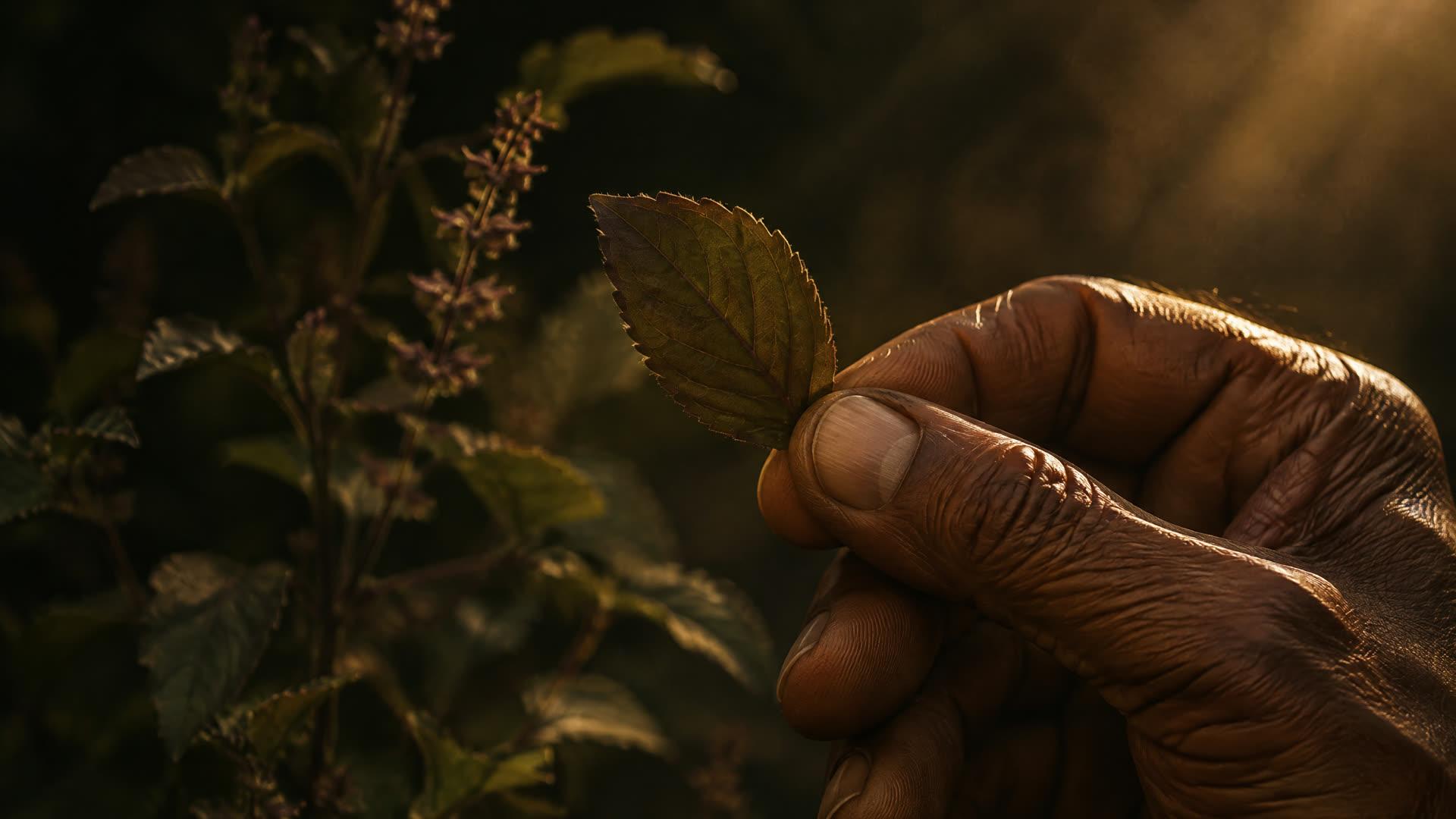
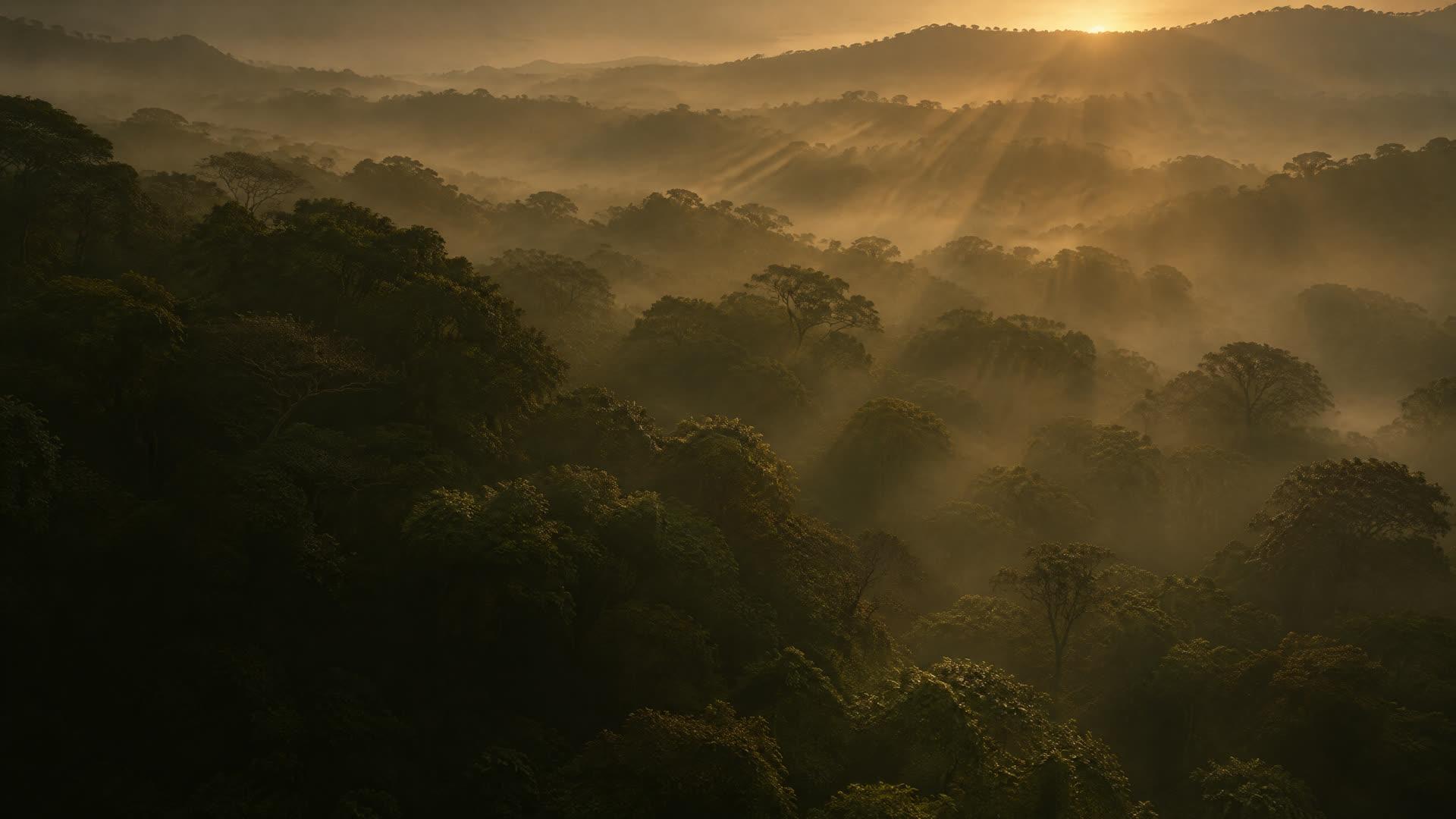
Kerala lies between the Sahyadri, the Western Ghats, and the sea. Its hills and coastal plains give it a moderate climate, and the forests of the Sahyadri are rich in medicinal plants. What a vaidya needed usually grew close at hand.
The people who kept it
The land was only half of it. Kerala’s people have long favoured a careful, healthy way of living, and that steady demand gave rise to eminent physicians, and to families who practised Ayurveda for generations.
Knowledge, demand, climate and the plants themselves: together, they made Kerala the centre of Ayurveda.
A way of living, not only a remedy
Ayurveda is more than a set of medicines. It is a system of principles about how to live, built on the ideas of totality, individuality and wholesomeness, and in harmony with nature. A course of Ayurvedic care traditionally begins with purification, and goes on to diet, herbal preparations, massage, yoga and meditation.
Used alongside conventional medical care, and under a qualified practitioner, it remains a thoughtful way to look after body and mind. AVVVS has made its medicines on this coast, in Kozhikode, since 1921.
Arya Vaidya Vilasini Vaidya Sala, Kozhikode. First published .